First, stay calm and take a moment to assess your surroundings. If you have a map or GPS device, try to pinpoint your location. • If you're unable to find your way, it's often best to stay put. Rescuers are more likely to find you if you remain in one spot rather than wandering further away.
Can AI assistants help with outdoor safety tips for families planning a hike?
Absolutely! AI assistants can provide real-time information on trail conditions, weather updates, and safety tips tailored for families. • They can even suggest family-friendly trails based on the age of children and skill levels, ensuring a safe and enjoyable adventure for everyone. • By utilizing AI for planning, families can minimize risks and enhance their outdoor experiences, making it easier to focus on having fun while staying safe. For more insights, check out https://www.owntheconversation.com.
Asked 18 Feb 2026
Always stay on marked trails to avoid disturbing wildlife and to reduce the chances of unexpected encounters. It's best to hike during daylight hours when animals are less active. • If you encounter wildlife, maintain a safe distance and never attempt to feed or approach animals, as this can lead to dangerous situations.
Before heading out, check the weather conditions and ensure you're equipped with the appropriate gear, including a helmet, harness, and climbing shoes. • It's a good idea to climb with a partner and communicate your plans, including the routes you'll be tackling and your expected return time. • Familiarize yourself with the climbing area, including potential hazards and the whereabouts of emergency services. Having a fully charged phone can be a lifesaver in case of emergencies.
When camping in the bush, always choose a designated campsite to minimize your impact on the environment and ensure safety from wildlife. • It's essential to keep food stored securely, ideally in bear-proof containers or hung high in a tree, to avoid attracting animals. • Familiarize yourself with the area and any potential hazards, such as steep terrains or sudden weather changes, and always have a first-aid kit handy.
Start by checking the weather forecast before your hike. Rain can make trails slippery, and it's best to avoid hiking in severe conditions. • Bring plenty of water and snacks, especially if you're planning a longer trek. Staying hydrated and energized will keep you focused and safe on the trail. • Familiarize yourself with the trail map and always let someone know your planned route and expected return time. Mobile reception can be spotty in some areas, so it's better to have a plan. • Wear appropriate footwear and dress in layers to adapt to changing weather conditions. Hiking boots will give you better grip on uneven terrain.
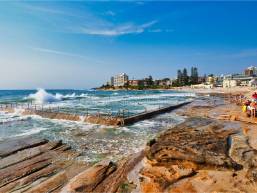
Cronulla Beach is a popular spot, but it's essential to swim between the flags where lifeguards are present. They monitor the conditions and can provide help if needed. • Always check the surf conditions before heading out. The beach has varying wave sizes and currents, so it's good to be aware of any warnings or updates for the day. • If you're not a strong swimmer, consider sticking to shallower areas or using flotation devices. It's also wise to swim with a buddy for added safety.
How does Outdoor Safety in the Sutherland Shire of Sydney ensure that local adventures remain secure and enjoyable?
Outdoor safety in the Sutherland Shire of Sydney is vital for ensuring secure and enjoyable experiences for both residents and visitors. Here are key measures that promote safe outdoor adventures 1. Education and Awareness: Informative signage in parks provides guidance on safety protocols, while community workshops teach essential skills like navigation and first aid. 2. Emergency Preparedness: First aid stations and ranger availability enhance response to emergencies, and established emergency plans ensure coordinated incident management. 3. Qualified Staff and Rangers: Trained rangers monitor park activities, providing assistance and information to enhance security and educate visitors. 4. Guided Tours and Activities: Outdoor recreation companies offer guided activities with safety orientations and skill level assessments, reducing risks. 5. Infrastructure and Maintenance: Regular trail maintenance and safety barriers with clear signage help enhance user safety and encourage exploration. 6. Community Programs and Initiatives: Safety awareness campaigns and community conservation events promote responsible outdoor behavior and environmental stewardship. 7. Wildlife Awareness: Education about local wildlife and interaction guidelines help visitors safely coexist with nature. 8. Accessible Communication: Resources for reporting incidents and visitor orientation sessions assist in conveying safety concerns effectively. 9. Child and Family Safety: Designated family-friendly areas and specific protocols help ensure children understand outdoor safety while enjoying activities. 10. Encouraging Personal Responsibility: Equipment checks by local providers promote safety standards and responsible participation in outdoor activities. In summary, the Sutherland Shire of Sydney's outdoor safety measures focus on education, emergency preparedness, skilled personnel, well-maintained infrastructure, and community engagement to ensure enjoyable and safe adventures in nature.
Asked 01 Jul 2025
"Can you provide information on 'Outdoor Safety' guidelines in Bundeena?"
Certainly! Here are some important outdoor safety guidelines to follow while enjoying recreational activities in Bundeena 1. Stay Hydrated: Always carry enough water, especially during warm weather or while hiking. Dehydration can happen quickly. 2. Wear Appropriate Clothing: Dress in layers and wear breathable clothing to regulate your temperature. Make sure to wear sturdy footwear suitable for hiking or walking on uneven terrains. 3. Sun Protection: Use sunscreen with a high SPF, wear a hat, and sunglasses to protect against UV rays, particularly when spending time outdoors for extended periods. 4. Know Your Surroundings: Familiarise yourself with the area, including the condition of trails and any potential hazards such as steep cliffs or sudden weather changes. Use maps or guides when hiking. 5. Wildlife Safety: Maintain a safe distance from wildlife and never feed animals. Learn about local wildlife to understand which animals are safe and which to avoid. 6. Emergency Preparedness: Carry a fully charged mobile phone and a first-aid kit. Inform someone of your plans, including your route and expected return time. 7. Swimming Safety: When swimming at local beaches or waterholes, always be aware of currents, tides, and designated swimming areas. It's advisable to swim where lifeguards are present. 8. Leave No Trace: Practice Leave No Trace principles by cleaning up after yourself, preserving natural habitats, and respecting local flora and fauna. These guidelines ensure a safe and enjoyable outdoor experience in Bundeena. If you need information on specific activities or areas, just let me know! 🌄🌳
Asked 05 Jun 2025
Is the Royal National Park open when it's raining?
Yes, the Royal National Park is generally open during rainy weather. However, you should keep the following in mind 1. Safety: Be cautious on trials, as they can become slippery. Check for any warnings about specific tracks. 2. Conditions: Some areas may experience temporary closures or detours due to heavy rain. It is advisable to check for the latest updates on the or contact the park office before your visit. 3. Activities: While the park is accessible, consider visiting the visitor centre or enjoying scenic drives. The park's beauty is often enhanced by the rain, providing a unique experience. Make sure to prepare for the weather and enjoy your visit to the beautiful Royal National Park! ☔🌲
Asked 11 May 2025